- Blog
- Luggage & Security Rules
- Can You Bring Food Through Airport Security in the UK? What You Can and Can’t Take
Can You Bring Food Through Airport Security in the UK? What You Can and Can’t Take
Last updated on 26 February 2026
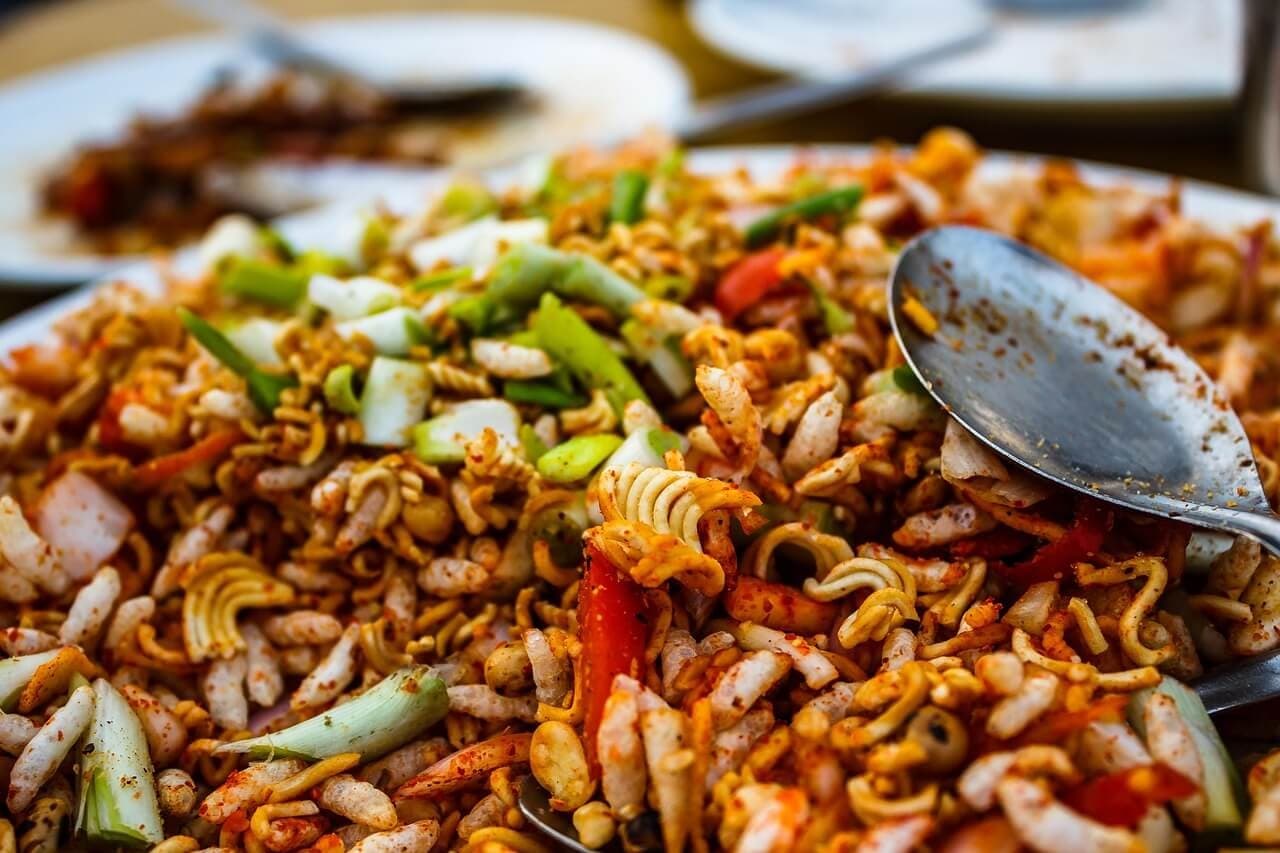
If you’ve ever paid £6 for a basic sandwich at the airport, you’ve probably wondered: can you bring snacks through airport security? Or maybe you’ve asked yourself, can I take sandwiches through airport security in the UK?
You’re not alone. These are some of the most common questions travellers ask before heading to the airport — especially with food prices in terminals continuing to rise.
Bringing your own food in your hand luggage can save money, reduce stress, and make delays far more bearable. It’s also helpful if you have dietary requirements or simply prefer something familiar to eat.
But airport security rules — particularly around liquids — can be confusing. Many travellers have had water bottles confiscated or jars of jam taken away at screening. So what’s actually allowed?
The good news: most solid food is allowed through UK airport security. You just need to know the rules.
Can you bring food through airport security in the UK?
Yes — you can.
Under UK aviation security rules (set by the UK Civil Aviation Authority), most solid foods are permitted in hand luggage.
Airport security staff are mainly concerned with liquids and safety risks, not everyday snacks. That means sandwiches, crisps, chocolate, fruit, biscuits and similar items are usually fine to take through security.
You may be asked to remove food from your bag for screening. This is routine and doesn’t mean the item isn’t allowed. In busy periods, this can add a few minutes to the process, so allow extra time if you’re carrying several food items.
International flights can involve stricter customs rules at your destination, but in terms of getting through UK airport security, solid food is generally permitted.
And if your flight ends up delayed? Having your own snacks on hand can make the wait much easier — especially if airport food options are limited or expensive.
Foods you can bring through airport security
Airport security in the UK focuses primarily on the 100 ml liquids restriction. Solid food does not fall under this rule, which is why most everyday items are allowed.
As long as your food is solid, properly packed, and easy to inspect, it should pass through security without issue.
Common examples include:
Sandwiches and wraps
Crisps and snack packs
Chocolate and sweets
Biscuits and cookies
Donuts and plain cakes
Bread and rolls
Fruit
Chewing gum
Homemade solid food without sauces
These options are ideal if you want to avoid expensive airport meals or simply prefer bringing your own.

Image by Denny Müller from Unsplash.
Can you bring snacks through airport security?
Yes — snacks are one of the easiest things to travel with.
Pre-packaged snacks are particularly convenient because they’re sealed, labelled, and simple for security staff to identify. Items like cereal bars, protein bars, crisps, nuts, chocolate bars, and sweets are all allowed in hand luggage at UK airports.
They don’t count as liquids and rarely cause problems unless you’re carrying unusually large quantities.
If you’re travelling with children, have allergies, or need specific dietary foods, bringing your own snacks can make the journey much smoother. Just be prepared to place them in a separate tray if requested.
As a general rule, stick to solid, dry foods and keep them in sealed packaging or leak-proof containers.

Image by Stephen Lartey from Unsplash.
Can you take homemade food through airport security?
Yes — homemade food is allowed, provided it follows the same solid-food guidelines.
Baked goods, salads without dressing, and simple home-prepared meals are usually fine in hand luggage. The key is to avoid foods that are overly saucy, soupy, or likely to leak.
For example:
A dry pasta salad may be fine.
Spaghetti in sauce is not.
A lightly dressed sandwich is fine.
A container with visible liquid pooling at the bottom may be rejected.
Always pack homemade food in airtight, resealable containers. Clear containers are preferable, as they allow faster screening. Foil wrapping is generally acceptable but may result in additional inspection.
Once through security, you’re allowed to eat your own food on the plane. Airlines rarely prohibit this, though it’s polite to avoid strong-smelling items, especially on short-haul flights.
Can you take fresh foods on the plane?
Fresh food such as vegetables, raw meat, seafood, and eggs can usually be taken through UK airport security if properly sealed.
However, there’s an important distinction:
Security rules determine what you can take through the airport.
Customs rules determine what you can bring into another country.
While vegetables and meat may pass through UK security, some countries strictly prohibit fresh food imports. This is particularly common for fruit, vegetables, dairy and meat products.
If you’re flying internationally, it’s best to check your destination’s customs regulations. When in doubt, consume fresh food before landing. Processed fruit snacks — such as raisins or dried fruit — are generally less problematic.
Can you bring a sandwich through airport security?
Sandwiches are completely allowed through UK airport security, including homemade ones. Whether it’s a cheese sandwich, chicken wrap, or vegetarian option, there’s no rule stopping you from taking it in your carry-on bag.
The only thing to watch out for is excess liquid. Sandwiches with large amounts of sauce, chutney, or dressing may attract attention if liquid seeps out of the packaging. To avoid problems, wrap sandwiches tightly or use a sealed container.
Many travellers regularly take sandwiches through security without any issues, making them one of the most practical foods to bring on a plane.
Can you take cheese or even cheesecake through airport security?
Cheese or even cheesecake? But that’s not a liquid! This is where confusion often starts.
Even if something looks solid, airport security may classify it as a liquid, paste, or gel. In the UK, liquids must be in containers of 100 ml or less and fit inside a clear liquids bag.
That means certain foods — including some cheeses and desserts — fall under the liquids rule.
Soft cheeses such as brie, camembert and blue cheese are treated as liquids. The same applies to jam, honey, peanut butter, pâté, hummus, yoghurt, sauces, and creamy desserts like cheesecake.
Canned foods can also cause issues because they typically contain liquid and are difficult to scan clearly.
Can you bring spreads & “borderline” foods through airport security?
These items also cause the most confusion. Some foods are considered liquids or gels, even if they don’t look like drinks. Under UK airport rules, these items must follow the standard liquids policy: containers of 100 ml or less, placed in a clear liquids bag.
Foods that fall into this category include:
Jam
Yoghurt
Peanut butter
Honey
Salad dressing
Dips and spreads
Even though they’re edible, security treats them the same way as toiletries or drinks. If you want to avoid throwing food away, it’s often easier to pack these items in your checked luggage instead of your hand luggage.
So if you’re asking “can you bring jam through airport security?” — yes, but only under the liquids limit.
If you’re unsure whether something counts as a liquid, a good rule of thumb is: If it spreads, pours, or contains sauce, it likely falls under the 100 ml rule.
Can you bring drinks through airport security?
Drinks are one of the most commonly confiscated items at UK airport security, which is why this topic causes so much confusion. In short, most drinks are not allowed through airport security, but there are a few important exceptions.
Any drink — including water, juice, soft drinks, tea, coffee, or even distilled water — is considered a liquid and must follow the standard 100 ml liquids rule. This means each drink container must be 100 ml or smaller and fit inside your clear liquids bag. Larger bottles will be taken away at the security checkpoint.
There are a few exceptions to this rule, such as baby milk and baby food, which are allowed in larger quantities if you are travelling with an infant. Alcohol also has additional restrictions depending on strength and quantity.
Once you pass security, you’re free to buy drinks at the airport or bring them onto the plane.
Can you bring an empty water bottle through airport security?
Yes — empty water bottles are allowed through airport security in the UK, and they’re one of the easiest ways to save money while travelling.
Security staff are only concerned about liquids, not the bottle itself. As long as the bottle is completely empty when you reach the checkpoint, it will pass through without any problems. After security, most UK airports provide water fountains or refill stations where you can fill your bottle for free.
It’s important to remember that even plain or distilled water is not allowed through security if it’s inside the bottle. Always empty it before screening, then refill it once you’re airside.
Reusable bottles are especially useful on longer journeys, during delays, or if you’re trying to avoid buying expensive drinks in the terminal.

Image by Jonas Kakaroto from Unsplash.
Can you bring fruit through airport security?
Fruit is allowed through airport security in the UK, and it’s a popular choice for a healthier travel snack. Apples, bananas, grapes, and cut fruit are all fine in hand luggage as long as they’re properly packed.
That said, if you’re flying internationally, it’s important to remember that some countries restrict fresh fruit on arrival. While UK security will allow it, customs at your destination may not. To be safe, eat fresh fruit during the flight or dispose of it before landing.
Can you bring baby food through airport security?
What about baby food?! Airport security makes important exceptions for baby food and milk.
If you’re travelling with a baby or toddler, you’re allowed to bring:
Baby food
Infant formula
Breast milk
Sterilised water
Baby juice
These items do not need to follow the 100 ml liquids rule, but they must be declared at security and will usually undergo additional screening.
Bring only what you reasonably need for the journey, and keep these items easily accessible in your hand luggage. Security officers may open or test containers — this is standard procedure.
Airlines also allow parents to bring necessary food for children under two years old, making it easier to manage feeding during delays or long flights.
Can you take food in your suitcase or hold luggage?
Yes — checked (hold) luggage gives you much more flexibility when it comes to food.
Unlike hand luggage, items in your suitcase are not restricted by the 100 ml liquids rule. That means foods like jam, sauces, yoghurt, honey, spreads, and canned goods can usually be packed in hold luggage without issue.
The most important thing to consider is leakage. Bags are moved and stacked during transit, so any food containing liquid should be tightly sealed and wrapped to prevent spills. Glass jars should be cushioned to reduce the risk of breakage.
If you’re travelling internationally, remember that customs rules at your destination may restrict certain items, especially meat, dairy, or fresh produce. Always check local import rules before packing food in your suitcase.
In general, as long as food is well packed and permitted by your destination country, most items are acceptable in hold luggage.
Frequently asked questions about taking food through airport security
Travel prepared — From airport security to knowing your rights
Now that you know what food you can bring through airport security, you’re already travelling smarter. Being prepared at the airport — whether that’s packing snacks correctly or understanding the liquids rule — helps your journey start smoothly.
But confident travel isn’t just about getting through security without having your yoghurt confiscated.
It’s also about knowing what to do when things don’t go to plan.
Even with strict aviation standards and highly regulated airlines, disruption still happens. Flights are delayed. Connections are missed. Bags don’t arrive. And sometimes, passengers are denied boarding due to overbooking.
Understanding airport rules helps you avoid small inconveniences. Understanding your air passenger rights helps you handle the big ones.
If you’re flying from the UK or the EU — or travelling on a UK or EU airline — you’re protected under air passenger rights legislation. In the UK, this protection falls under UK261, the post-Brexit version of EU Regulation 261. These rules ensure that passengers are treated fairly when disruption occurs.
Here’s what that means for you:
Flight Cancellations: If your flight is cancelled, you’re entitled to a choice between a refund or rebooking. In many cases, you may also claim compensation of up to £520, depending on the distance and circumstances.
Delays Over 3 Hours: If you arrive at your destination more than three hours late and the delay was within the airline’s control, you could be eligible for compensation. Airlines must also provide care — including meals and, if necessary, overnight accommodation.
Denied Boarding (Overbooking): If you’re denied boarding against your will because a flight is overbooked, you’re entitled to immediate compensation and alternative transport to your destination.
Baggage Problems: Lost, delayed, or damaged luggage can also be reimbursed under international agreements, often up to around £1,550, depending on the situation.
Knowing what snacks you can take through airport security helps you prepare for your journey. Knowing your passenger rights helps you stay in control of it. Because travel isn’t just about getting from A to B — it’s about understanding what to do if something goes wrong along the way.


