- Blog
- Luggage & Security Rules
- Can You Take an Electric Shaver on a Plane? A Complete Guide to What Razors Are Allowed
Can You Take an Electric Shaver on a Plane? A Complete Guide to What Razors Are Allowed
Last updated on 20 January 2026
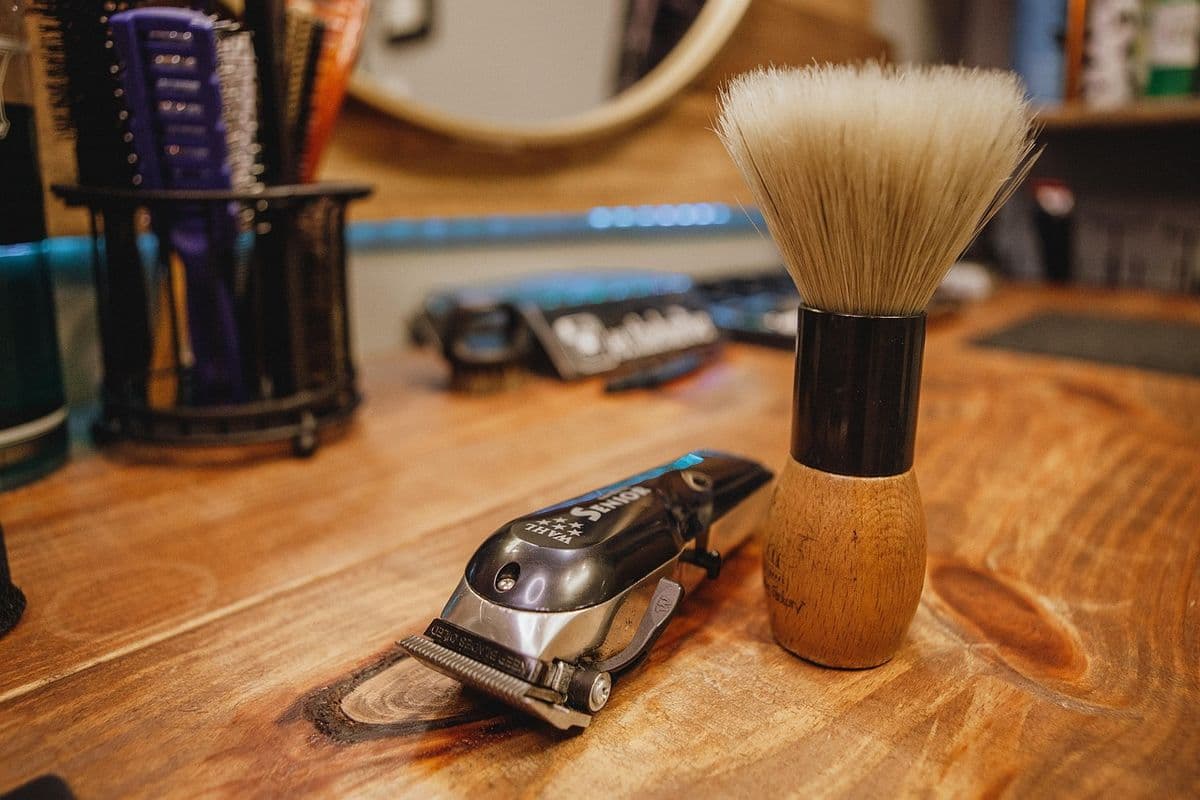
If you’re packing for a trip and wondering whether you can take an electric razor on a plane, the good news is: yes, you can. Travelling with grooming essentials shouldn’t be stressful, and most UK airport rules make things pretty straightforward. That said, it’s always worth knowing how different types of razors are treated, and how airline or international regulations might affect your packing.
Below is a friendly breakdown of what’s allowed where, with a UK-first focus.

Image by stevepb from Pixabay.
Why aren’t some razors allowed on planes?
Airlines and airport security take safety very seriously, and razor blades fall into the category of sharp objects that could be used as weapons. Because of past incidents, there are strict rules about what types of razors can be carried in the cabin. These rules help keep both passengers and crew safe during the flight.
Razors in hand luggage: Which ones aren’t allowed?
While many shavers are perfectly fine to pop into your hand luggage, there are a few types that UK airport security won’t allow in the cabin. If you bring them, they’ll almost certainly be taken off you at the security checkpoint, so it’s best to pack them correctly before you leave home.
Here’s a simple guide to the types of razors not permitted in hand luggage when flying from UK airports.
Classic razor blades (Double-edge or single-edge blades)
These traditional blades — often used in safety razors or old-style metal handles — are classed as sharp, removable weapons by airport security.
Because the blades are completely exposed when removed from the razor, they cannot be carried in your hand luggage.
✔ Allowed in: Checked-in luggage only
✘ Not allowed: Hand luggage
Straight razors (Cut-throat razors)
These feature a long, extremely sharp exposed blade — and for obvious reasons, they’re strictly banned from carry-on bags in the UK.
If you like using a straight razor at home or for professional grooming, you’ll need to pack it in your suitcase or leave it behind.
✔ Allowed in: Checked-in luggage
✘ Not allowed: Hand luggage
Loose blades of any kind
Whether they’re spares for your safety razor or extra blades you keep in a travel kit, loose replacement blades can’t go in hand luggage.
Even though they’re small, they’re classed as dangerous items because they’re sharp and easily accessible.
✔ Allowed in: Checked-in luggage
✘ Not allowed: Hand luggage
If your razor has removable metal blades, it’s almost always a “checked luggage only” item. If the blades are fixed or fully enclosed (like disposable razors, cartridge heads, or electric shavers), they’re usually fine in your hand luggage.
Can I travel with an electric razor?
Absolutely. Electric shavers are permitted in hand luggage and checked bags when flying from the UK. They’re treated much like any other small electrical device.
For electric shavers where the blades are fixed or protected, there are no restrictions due to the blades themselves. What matters is the power source.
Corded razors (no internal battery)
You can pack these in either hand luggage or checked luggage. Just make sure they’re protected so they don’t get damaged in transit.
Razors with internal batteries
Battery-powered and rechargeable shavers should go in your hand luggage, especially if they contain lithium batteries. If the batteries can be removed, pack the shaver in either bag—but keep the batteries in your carry-on.
What happens at security?
At UK airports, electric shavers are allowed through security with no fuss. Depending on the airport, you may be asked to remove them from your bag (similar to other electronics), so it’s a good idea to keep them accessible.
Chargers? No problem—you can carry them too.
Can you put an electric shaver in your suitcase?
Yes. If you’d rather pop it in your checked luggage, that’s perfectly fine.
The only major electrical item the UK Government specifically bans from checked luggage is e-cigarettes, again because of lithium batteries. Electric shavers do not fall into this category.
Do airline rules differ?
Sometimes—mainly when it comes to baggage size, weight limits, or battery policies. The UK Government sets the baseline rules for what can fly, but airlines can add their own guidelines.
Always check:
Your airline’s website
Local regulations at your destination
Airport security rules
This is especially important if you’re travelling somewhere with strict laws—such as countries with vaping bans, which can cause confusion about battery-powered items in general.
What about other types of razors?
Disposable razors
Allowed in hand luggage and hold luggage. The blades are fixed, so there’s no safety concern.
Razor cartridges
Also allowed in both hand and checked bags.
Loose razor blades
✔ Allowed in checked luggage
✘ Not allowed in hand luggage
Safety razors
Not permitted in hand luggage if the blade is removable (which it usually is). Allowed in checked luggage.
Best razors for travel
Disposable and compact razors are ideal if you’re packing light. Multi-blade options tend to give longer-lasting smoothness, so you won’t need to shave as often while away.
Before you head off, it’s worth taking a moment to check:
Your airline’s baggage policy
Your destination country’s regulations
Your departure airport’s security rules
It only takes a minute and can save a lot of hassle at the airport.

Image by StockSnap from Pixabay.
Things to keep in mind when taking a razor in your hand luggage
If you’re planning to bring a razor in your hand luggage, a little preparation goes a long way. These simple tips will help you stay within UK airport rules and avoid any last-minute stress at security.
Know what type of razor you’re packing
This is the big one. Make sure the razor you’re bringing is actually allowed in your carry-on.
Electric razors are usually fine
Disposable razors and cartridge heads, also fine
Safety razors with removable blades must go in checked bags
Straight razors are not allowed in hand luggage
If in doubt, pop it in your checked case.
Check the rules before you travel
Different airlines and destinations may have slightly different rules. It’s always worth checking:
Your airline’s website
Your departure airport’s security page
Travel advice for your destination country
Most UK airports follow the same guidelines, but a quick check can save a lot of hassle.
Pack your razor properly
To prevent damage (or accidental nicks!), store your razor in a case or protective cover. If you’re travelling with a rechargeable electric shaver, make sure it’s safely switched off — some people prefer to travel with it partially discharged for peace of mind.
Keep loose blades out of your hand luggage
Loose or replacement razor blades are never allowed in carry-on bags. Pop them in your checked suitcase to avoid delays or having them confiscated.
Secure the razor well
Whether it’s a disposable, a cartridge razor or an electric shaver, protect the blades or head with a cap or cover. This helps prevent damage and keeps airport staff safe when handling your bag.
Allow a little extra time at security
If you’re carrying shaving equipment, security staff may want to take a closer look. It usually only takes a moment, but giving yourself a few extra minutes can keep your journey stress-free.
Tips for travelling with shaving gear
Most razors and electric shavers can fly with you — but here are a few extra tips to make sure things go smoothly.
Pop your shaver in your checked case if you can
Although electric shavers are allowed in your hand luggage, putting them in your checked bag removes any chance of debate with an over-enthusiastic security officer. It also frees up space in your carry-on.
Use a travel case for your shaving kit
Leaving your shaver loose in your bag is a quick way to damage it or scatter accessories everywhere.
A small travel case keeps your kit organised, clean and protected.
Bring the right travel adapter
A classic mistake! Many electric shavers use a two-pin plug which works across much of Europe, but you’ll need an adapter for countries like the USA or those outside the EU. (Packing one spare never hurts!)
From knowing what you can pack to knowing your rights
Once you’ve sorted out what’s allowed in your hand luggage—whether that’s your electric shaver, toiletries, or other travel essentials—you’re already on your way to a smoother trip. But being a confident traveller isn’t just about what you bring on board. It’s also about understanding what happens throughout your journey, especially when things don’t go quite as planned.
Even with all the rules that keep flights running safely and smoothly, air travel can still come with a few surprises: delays, cancellations, missed connections, or the occasional baggage mishap. Knowing why these issues happen can be helpful, but knowing your rights as a passenger is even more empowering.
Whether you're flying a budget airline for a quick weekend break or heading long-haul with a major carrier, UK and European air passenger protections apply to most flights departing from or arriving in the UK, EU, Iceland, Norway, and Switzerland. These regulations are there to make sure you’re treated fairly—no matter the airline or the price of your ticket.
Here’s what those rights include:
Flight cancellations: You may be entitled to a full refund, rebooking, and in many cases up to £520 in compensation.
Delays over 3 hours: Airlines must provide meals, accommodation if needed, and may owe you compensation.
Denied boarding (Overbooking): If you’re bumped from a flight, you’re owed immediate compensation and a new route to your destination.
Baggage issues: Lost, damaged, or delayed luggage can be reimbursed—often up to around £1,550 under international rules.
So, once you’ve packed correctly and passed through security with ease, you’re not just prepared for take-off—you’re prepared for whatever the journey brings. With the right knowledge, you’ll stay in control, make informed decisions, and travel with confidence every step of the way.


